
August 20, 2026
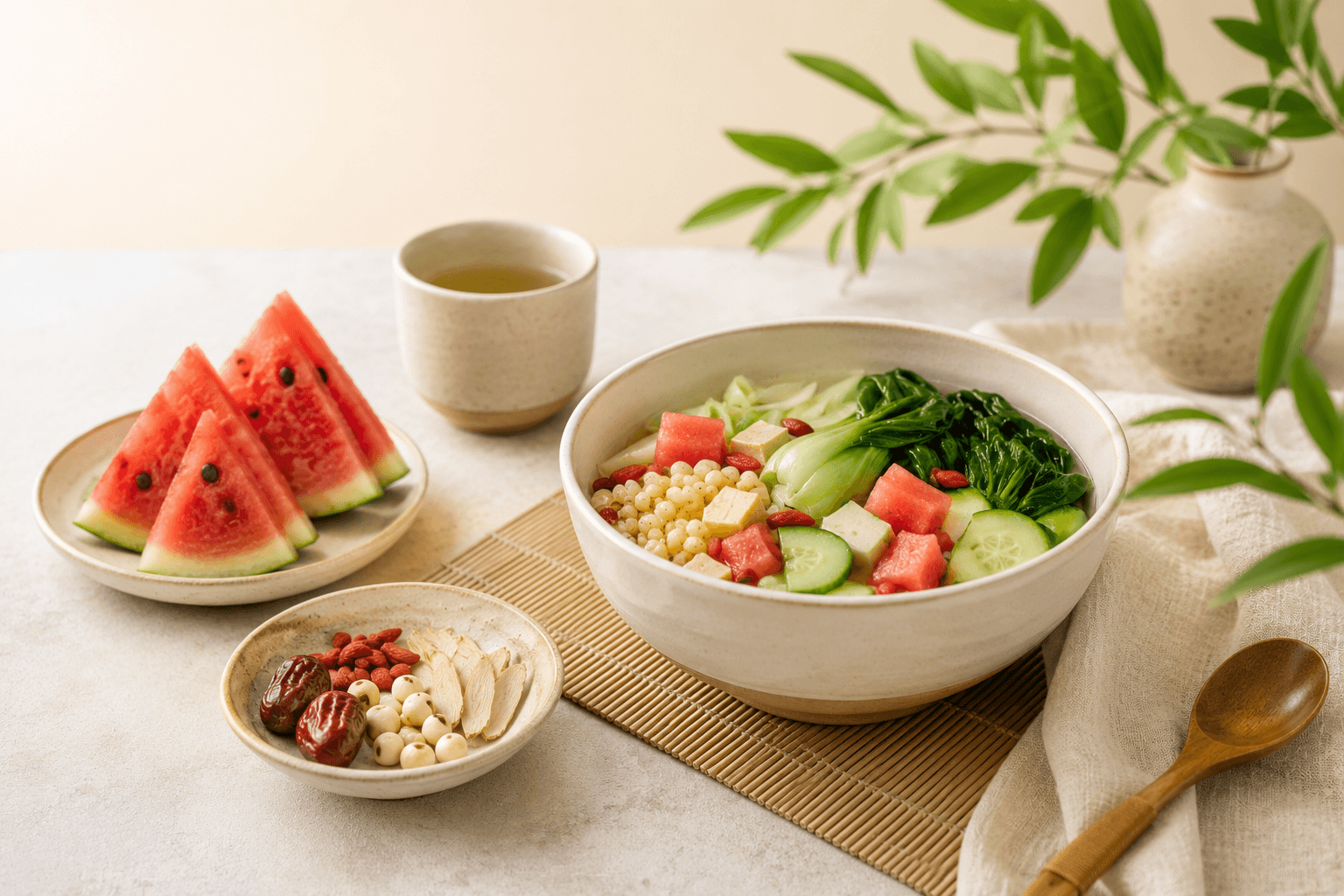
Summer favorites from Chinese dietetics
Cooling foods and two simple recipe ideas from Chinese dietetics for very warm summer days.
MoreIn my practice I offer modern internal medicine diagnostics—individualized, holistic and state of the art.
A detailed assessment of your medical history, including symptoms, course of illness, prior conditions and medications.
Assessment of your general condition including vital signs (blood pressure, pulse, temperature), examination of organs (heart, lungs, abdomen) and, if needed, a neurological examination.
Analysis of blood, urine, stool and other body fluids to identify signs of disease (e.g., blood count, liver values, kidney values).
The use of ultrasound, computed tomography (CT), magnetic resonance imaging (MRI), X-ray and other imaging methods to visualize internal organs and detect changes. Ultrasound examinations are available in the practice at any time; for advanced imaging I am happy to refer you to radiology colleagues.
Ultrasound enables visualization of organs such as the liver, kidneys, gallbladder, spleen and pancreas, as well as vessels and lymph nodes.
Diagnostics in internal medicine is a complex field. Carefully evaluating results is essential for an accurate diagnosis and targeted treatment. I take the time to explain findings and we develop a treatment plan that fits you.
Recent articles from the practice on TCM, acupuncture, internal medicine and questions around private practice care.
August 20, 2026
Cooling foods and two simple recipe ideas from Chinese dietetics for very warm summer days.
More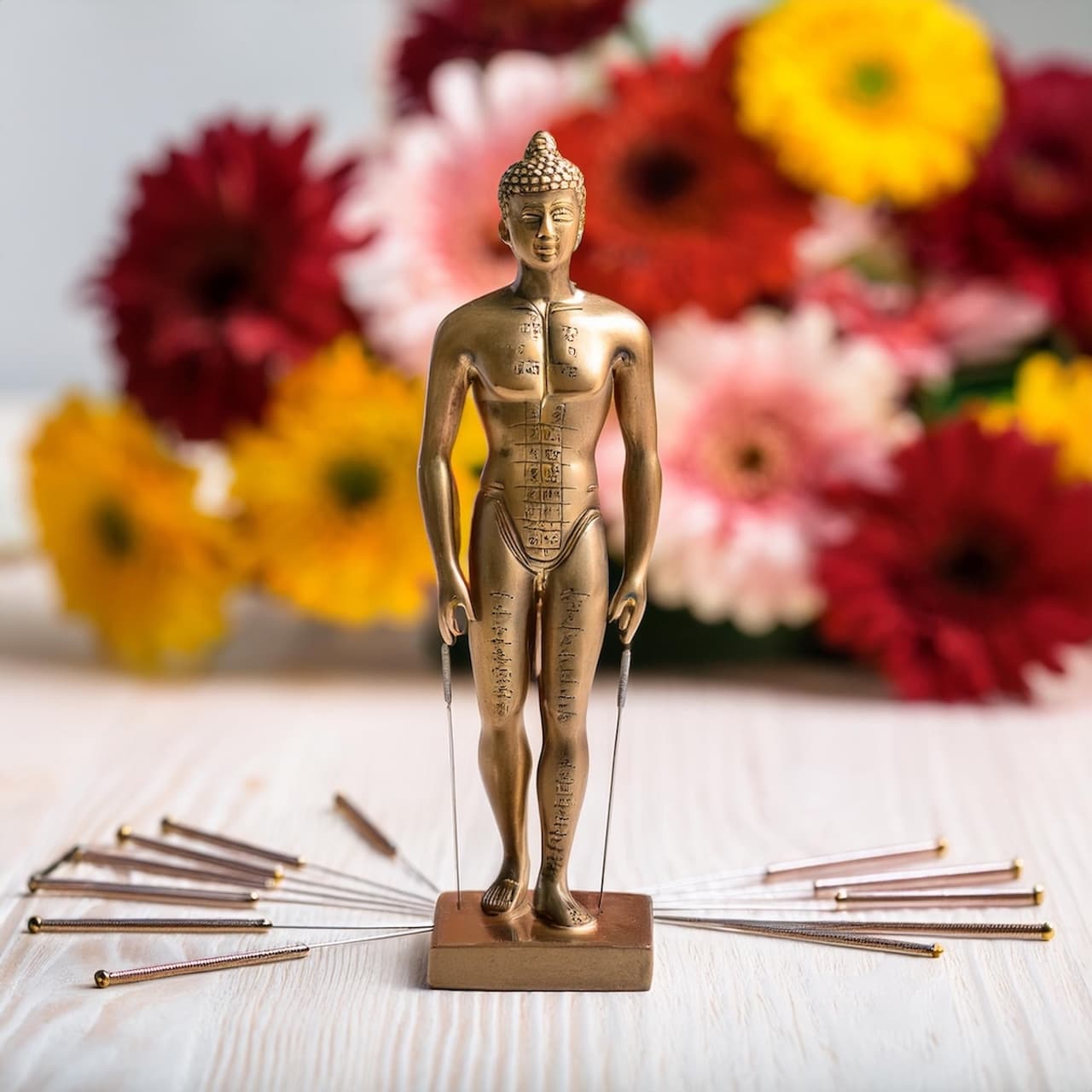
June 17, 2026
A concise overview of what acupuncture is, how it may work, where it is used and what a treatment session typically looks like.
More