
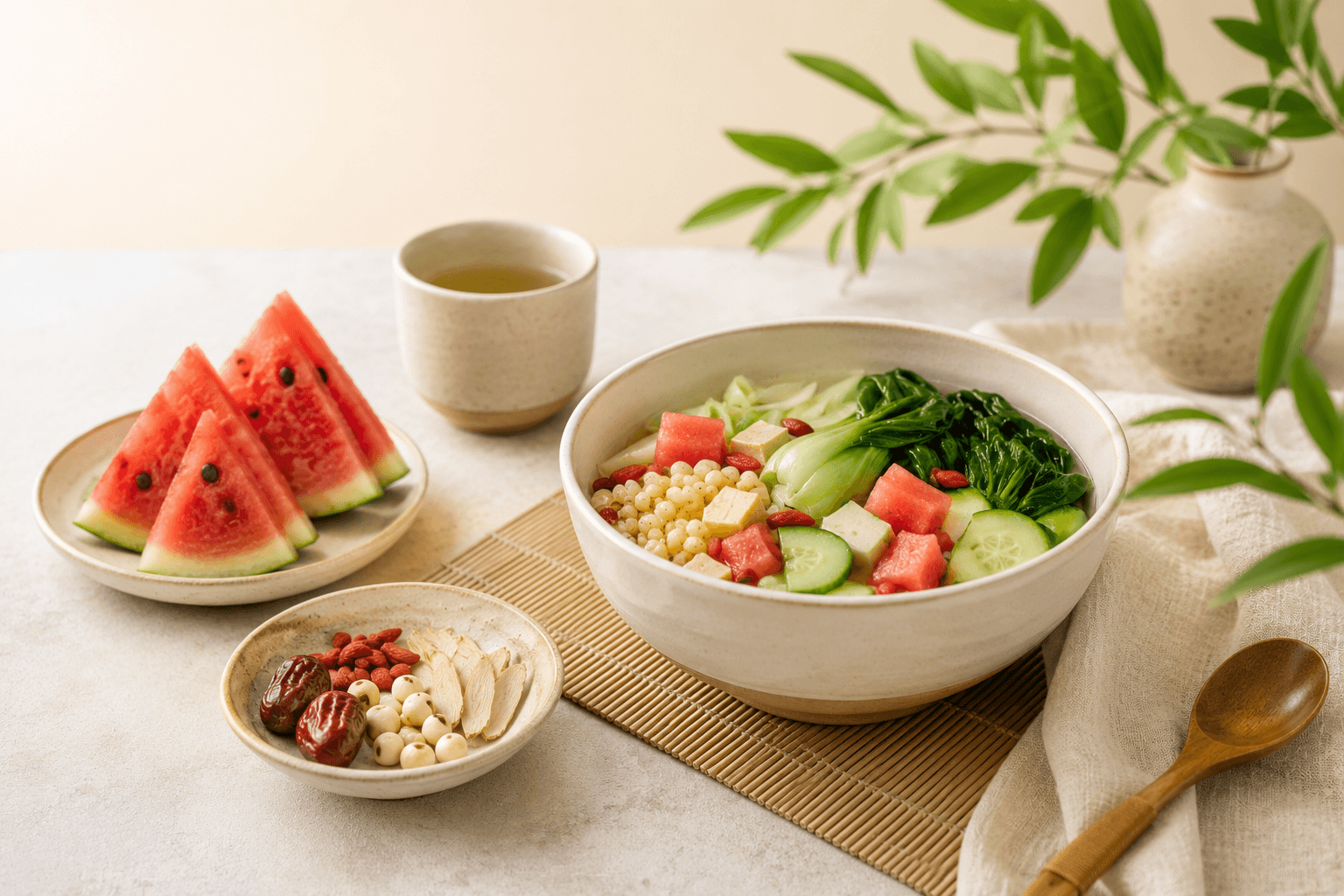
August 20, 2026
Summer favorites from Chinese dietetics
Cooling foods and two simple recipe ideas from Chinese dietetics for very warm summer days.
MoreTraditional Chinese Medicine (TCM) is a millennia-old healing art that views the person as a whole. It combines diagnostic knowledge with time-tested therapies to create inner balance and support your health sustainably.
Chinese medicine is an energetic medicine. At its center is energetic potential—Qi. Qi flows along defined pathways through the body and supplies the functional systems.
Symptoms and illnesses arise when this balance is disturbed—whether due to stress, poor nutrition, external influences or emotional strain. The aim of TCM is to resolve blockages (stagnations) and bring Qi back into harmonious flow. Harmonious Qi flow means health.
A TCM diagnosis is the prerequisite for successful treatment using Traditional Chinese Medicine methods. In addition to a detailed medical history and consultation, pulse and tongue diagnosis are essential. Alongside your main concerns and physical symptoms, life circumstances as well as autonomic and emotional complaints are considered. Afterwards, an individualized treatment plan is created and therapies such as acupuncture and Chinese herbal medicine are often combined.
Recent articles from the practice on TCM, acupuncture, internal medicine and questions around private practice care.
August 20, 2026
Cooling foods and two simple recipe ideas from Chinese dietetics for very warm summer days.
More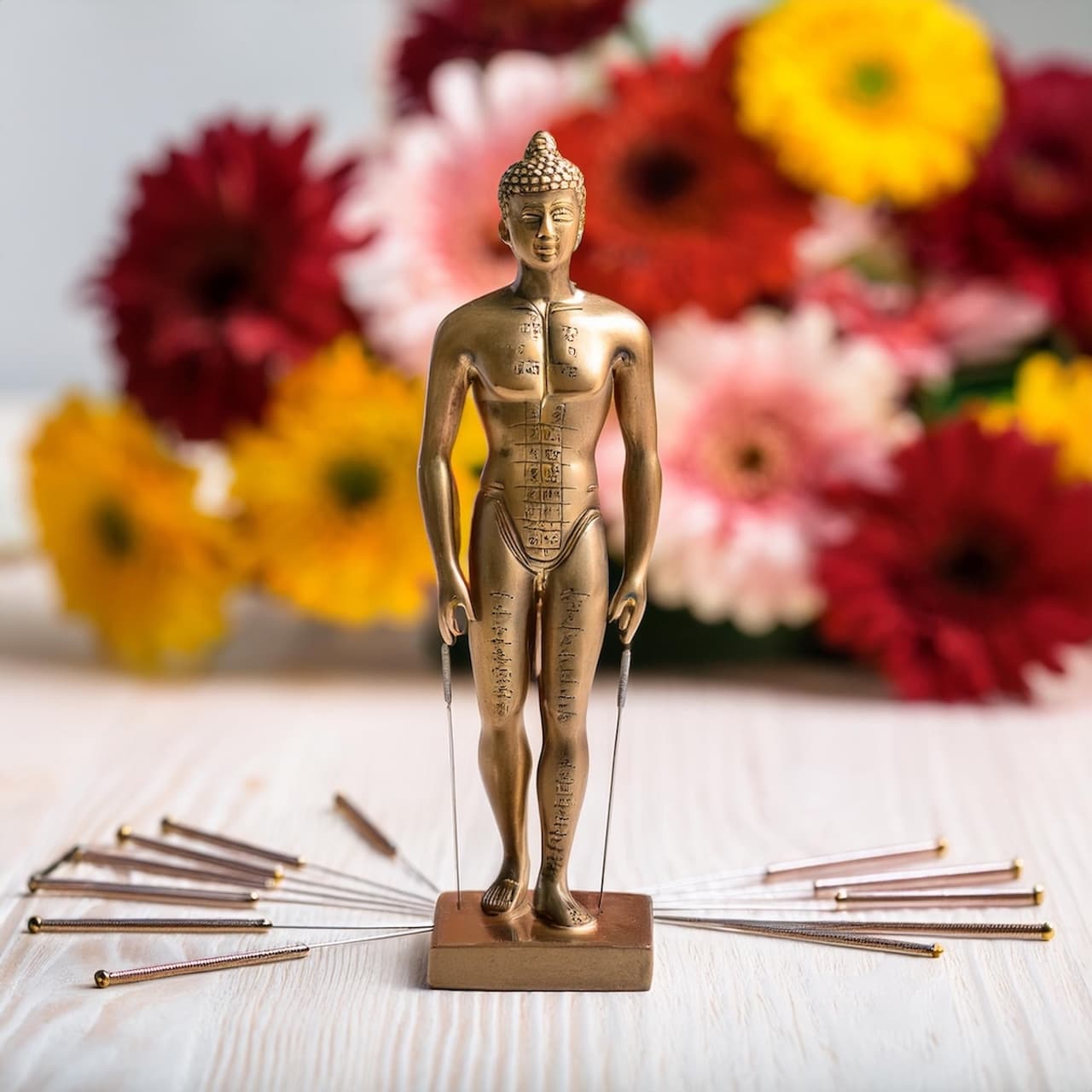
June 17, 2026
A concise overview of what acupuncture is, how it may work, where it is used and what a treatment session typically looks like.
More